Retro TV: Bringing Back Broadcast Memories with Vintage Design
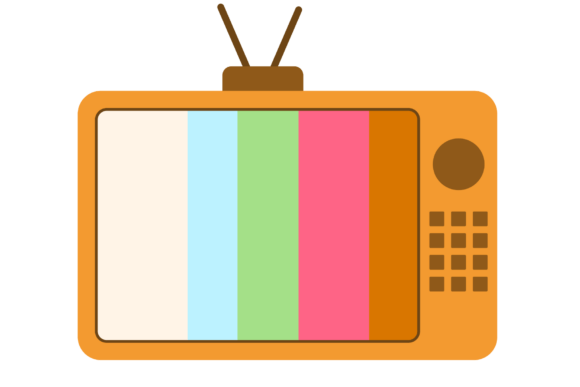
There is something undeniably magnetic about the glow of a vintage television set. That warm orange cabinet, the rabbit-ear antennae, the familiar color test bars frozen on the screen—it conjures a time when gathering around the TV was an event, not just background noise. This isn't merely nostalgia for a bygone era. It's a visual shorthand for an entire cultural shift in how we consumed media, and it still resonates powerfully today. Whether you are a designer looking for authentic imagery, a content creator building a retro-themed series, or a business owner aiming to tap into collective memory, the imagery of a classic television set offers more than just a trip down memory lane. It offers a connection.
What Makes a Retro TV Design So Distinctive?
The illustration described isn't just any old television. It is a specific artifact of mid-to-late 20th-century home entertainment, and its details matter. The warm orange casing immediately sets it apart from the ubiquitous black, silver, or beige boxes of later decades. This color choice alone evokes the earthy, optimistic tones of 1970s interior design. The antennae—those twin metallic rods—are not just decorative. They represent a pre-cable, pre-streaming era when getting a clear picture was a small ritual involving tin foil and precise positioning.
The control buttons, typically a row of chunky mechanical switches or dials, speak to a tactile relationship with technology that has largely vanished. You pushed, clicked, and turned to change channels or adjust volume. There was no remote, no touchscreen, no voice command. And then there is the screen itself. The classic color test bars—the SMPTE color bars—are arguably the most potent symbol of broadcast television history. They were the signal that something was about to begin, or that the station had signed off for the night. That pattern is instantly recognizable, even to generations who never watched analog broadcast TV. It communicates calibration, anticipation, and the quiet hum of waiting for the show to start.
This combination of orange chassis, antennae, physical buttons, and test pattern creates a cohesive visual that is both specific and universally understood as "old television." It is a design that stands out because it is unapologetically analog in a digital world.
Practical Applications Across Professional and Creative Fields
The value of this imagery extends far beyond simple decoration. It functions as a powerful communication tool across multiple domains.
Media Blogs and Television History Content
If you write about the history of broadcasting, the evolution of home entertainment, or the cultural impact of television, this illustration is a natural fit. It can serve as a compelling featured image for an article about the transition from analog to digital broadcasting, the death of the antenna, or the golden age of network TV. It helps readers immediately orient themselves in the time period you are discussing. Instead of describing a vintage TV, you show them one. The test bars in particular offer a direct visual cue that the topic is about television technology itself, not just a TV show.
Retro Gaming Interfaces and Branding
The retro gaming community is massive, and its aesthetic is deeply rooted in the look and feel of CRT televisions. Emulator apps, retro gaming consoles, and streaming interfaces often lean into this visual language. The orange retro TV design can be used as a splash screen, a loading animation, or a border graphic for a game selection menu. It signals to the user that they are about to experience something authentic, or at least something that honors the original hardware. The antennae and buttons add a level of detail that a generic TV silhouette simply cannot match.
Digital Art and Visual Storytelling
Digital artists frequently need visual anchors that convey a specific mood or era. The warm orange tone of this set gives a cozy, familiar feel to any composition. It works well in collage-style artwork, album covers, or social media graphics for throwback content. The test bars on the screen offer a unique opportunity. You can leave them as-is for that "off-air" look, or you can use them as a placeholder to insert your own imagery. The screen acts as a frame within a frame, allowing you to display a photo, a video still, or a custom graphic while keeping the vintage TV context intact.
Educational Infographics and Presentations
Educators and trainers covering media literacy, the history of technology, or the science of broadcast signals will find this illustration highly useful. An infographic explaining how analog television works becomes immediately more engaging when centered around a recognizable TV set. You can label the antennae to explain signal reception, the control buttons to explain user interaction, and the test bars to explain color calibration and broadcast standards. It transforms a dry technical explanation into something visually approachable.
Why This Imagery Works for Branding and Engagement
In a crowded digital landscape, standing out often means evoking an emotional response. The retro TV achieves this on several levels.
- Familiarity and trust: Many adults in their 30s, 40s, and 50s remember a television like this from their childhood homes or grandparents' living rooms. Seeing it triggers positive memories of family time, Saturday morning cartoons, or late-night movies. This emotional connection can make your brand or content feel more approachable and trustworthy.
- Differentiation: Most modern tech imagery is sleek, cold, and minimalist. A warm orange retro TV with visible antennae stands out immediately. It suggests that your project values history, personality, and human connection over sterile efficiency.
- Conversation starter: The test bars, in particular, invite curiosity. People want to know why they are there. It can prompt comments, shares, and discussion, which is exactly what you want for engagement.
- Versatility: The same image can be used in a serious historical documentary, a playful gaming app, or a quirky social media post. Its meaning shifts based on context, which makes it a valuable asset for any visual library.
Practical Considerations When Using Retro TV Imagery
Before you drop this illustration into your next project, consider a few factors to maximize its impact.
- Resolution and format: Ensure the illustration is high enough resolution for your intended use. A small, pixelated version will not convey the authentic vintage feel you are aiming for. Vector formats are ideal for scalability, while high-res PNGs work well for web use.
- Contextual relevance: Match the design to your audience and message. The warm orange and test bars are perfect for nostalgia, history, or retro gaming. They might feel out of place in a modern corporate slide deck about streaming analytics. Know your audience.
- Licensing and attribution: If you are using this illustration from a stock site or a designer, confirm the license covers your specific use case—especially if it is for commercial branding, merchandise, or product packaging.
- Screen customization: One of the strongest features of this design is the test bar screen. Consider whether you want to keep it as-is for authenticity, or customize it with your own content. A blank screen loses some of the vintage broadcast feel, but allows for more flexibility in messaging.
- Accessibility: If you use the illustration in a web context, ensure alt text describes the key elements: a retro orange television with antennae, control buttons, and a screen displaying color test bars. This helps screen reader users understand the visual reference.
Making the Most of a Single Image
You might be surprised at how many use cases one well-designed retro TV illustration can serve. Think about cropping it tightly on the screen for a social media avatar, using the full set as a blog header, or extracting the antennae shape as a standalone decorative element. The color palette alone—warm orange, deep browns, and the bright primary colors of the test bars—can inform an entire brand identity. You are not just using an image. You are drawing from a rich visual vocabulary that speaks to decades of shared experience.
For creators and professionals alike, the retro television is more than a prop. It is a bridge between past and present, a symbol of how far technology has come and a reminder of the rituals that made entertainment feel special. Whether you are documenting that history, building a product that honors it, or simply adding warmth to a digital project, this illustration delivers. It gives you instant context, emotional weight, and a distinct visual voice. That is a lot to ask from a single screen, but that is exactly what a classic retro TV delivers.
So the next time you need an image that says "broadcast memories" without saying a word, reach for the orange set with the antennae and the test bars. It has been ready and waiting for you since the last station signed off.