Retro Arcade Game: Evaluating the Appeal and Practical Use of Classic Arcade Cabinets
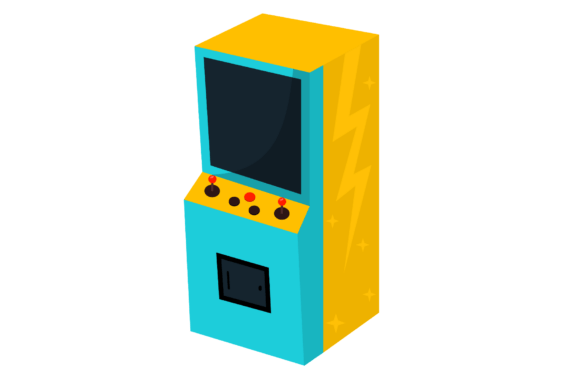
The image of a bright cyan blue and yellow cabinet, adorned with lightning bolts and equipped with a dark screen, joysticks, and buttons, immediately evokes the golden age of coin-operated gaming. This is the essence of a retro arcade game experience—not just the software, but the dedicated hardware that defined an era. For anyone researching, evaluating, or considering bringing such a machine into a space, understanding what this classic cabinet represents is the first step. This article provides a balanced, objective look at the retro arcade cabinet, exploring its benefits, tradeoffs, and practical considerations to help you determine if it aligns with your goals.
A retro arcade game cabinet, like the one described, is more than a nostalgic object; it is a functional piece of entertainment hardware built around a specific gameplay philosophy. The boxy shape, bright colors, and straightforward control layout were designed for maximum accessibility and immediate engagement. The machine is ready for classic coin-op play, meaning it is intended to recreate the exact experience of dropping a quarter into a machine in a 1980s or 1990s arcade. This includes the tactile feedback of the joystick, the satisfying click of the buttons, and the presence of a coin mechanism—even if used in a non-commercial setting.
Why the Retro Arcade Cabinet Still Resonates
Several core factors drive continued interest in these machines. First is nostalgia. For many, the retro arcade cabinet is a direct portal to childhood memories of pizza parlors, bowling alleys, and dedicated arcade halls. This emotional connection is powerful and can justify the space and expense for collectors. Second is the simplicity of the design. The vibrant, energetic aesthetic—bright cyan and yellow with lightning bolts—is immediately recognizable and adds a distinct visual focal point to any room. It is a conversation starter and a piece of functional art that communicates a love for classic video games without needing the screen to be on.
Third, the retro arcade game offers a pure, distraction-free gaming experience. Unlike modern consoles or PCs, the cabinet is a single-purpose device. Once you approach it, there are no menus, updates, or notifications. You play one game or a curated set of games with a consistent control scheme. This focus can be appealing for those who value the core mechanics of classic titles—often requiring memorization, pattern recognition, and quick reflexes—over sprawling narratives or online multiplayer.
Benefits of Owning or Using a Retro Arcade Cabinet
For those considering a cabinet for a gaming center, tech history infographic, retro gaming blog, or entertainment poster context, the benefits are tangible:
- Authentic Experience: Nothing replicates the feel of a genuine arcade cabinet. The control layout, the angle of the screen, and the presence of the coin door all contribute to an experience that emulation on a PC or console cannot fully match.
- Durability and Longevity: Original and well-built reproduction cabinets are robust. They are designed to withstand heavy public use. Modern versions using quality parts can last for decades with minimal maintenance.
- Social Magnet: A retro arcade cabinet naturally draws people together. It encourages short, competitive sessions with friends or family, making it ideal for gaming centers, rec rooms, or bars where social interaction is valued.
- Collectible and Educational Value: For tech history enthusiasts, the cabinet is a physical artifact. It demonstrates the evolution of user interfaces (joystick and buttons), video display technology (CRT or reproduction CRT-style screens), and coin-operated business models.
Tradeoffs and Key Considerations
However, the retro arcade game experience comes with notable tradeoffs that must be weighed carefully.
Space and Weight: A full-size cabinet occupies a significant footprint—typically 2 to 3 feet wide and 5 to 6 feet tall. It is heavy, often over 200 pounds. This limits where it can be placed and makes relocation difficult. For small apartments or offices, a full cabinet may be impractical.
Cost: Authentic original cabinets in working condition can be expensive, ranging from several hundred to several thousand dollars depending on the game, rarity, and condition. New reproduction cabinets with multi-game setups (often called "multicades") can also be costly, especially if built with high-quality components like genuine Sanwa joysticks or a proper CRT monitor.
Maintenance and Repairs: Electronics age. That dark screen might be a dead monitor, or the joystick might have worn microswitches. Owners must be comfortable with basic soldering, cleaning contacts, or sourcing replacement parts. A retro arcade game cabinet is not a set-it-and-forget-it appliance; it requires periodic upkeep. The coin mechanism itself, while charming, can cause issues if jammed or if coins are not properly accepted.
Game Selection and Authenticity: A dedicated cabinet plays one game (or a specific set if using a multi-game PCB or emulation). If you want variety, a multicade is a common solution, but purists argue that the emulation quality or screen calibration may not match the original board. Additionally, the coin-op mechanism is often disabled or used decoratively in home settings, which some feel dilutes the authenticity.
Ideal Situations for a Retro Arcade Cabinet
The retro arcade cabinet is a strong fit in several scenarios:
- Gaming Centers and Arcades: For a business focused on classic coin-op gaming, a well-maintained cabinet is essential. It provides revenue and atmosphere. The bright, lightning-bolt design attracts attention and signals "classic" to customers.
- Retro Gaming Blogs and YouTube Channels: A cabinet serves as both subject matter and a visual prop. Reviewing games, comparing joystick feels, or discussing glow-in-the-dark coin buttons becomes more credible when you have the actual hardware.
- Man Caves, Game Rooms, and Home Theaters: Enthusiasts seeking a dedicated retro corner will find the boxy shape and vibrant colors perfect for creating a nostalgic focal point. The energetic, geeky feel enhances the theme.
- Tech History Exhibits or Museums: The cabinet is a three-dimensional infographic. It visually communicates the transition from analog to digital entertainment and can be paired with interactive signage about the history of arcade controls. The coin slot itself tells a story about the economics of early video games.
When Alternatives May Be Worth Considering
For many, a full retro arcade cabinet may not be the best choice. Here are situations where alternatives could be more practical:
- Limited Space or Budget: A digital anniversary edition controller (like the Arcade1Up designs) or a lower-profile bartop cabinet can provide much of the visual charm without the full footprint. These are also less expensive and easier to move.
- Desire for Multiple Games with Easy Updates: Emulation on a PC, Raspberry Pi, or even a dedicated retro console (e.g., SNES Classic with arcade ports) offers a vast library in a compact package. While you lose the cabinet feel, you gain flexibility and zero maintenance.
- Focus on Authentic Software, Not Hardware: If the goal is to master the high-score strategies of the original games, playing via emulation with a high-quality arcade stick for your console or PC may be sufficient. The screen and controls are close enough for most players, and the cost is far lower.
- Commercial Space with Low Traffic: For a bar that rarely sees arcade activity, a retro cabinet may collect dust and become a maintenance headache. A wall-mounted flat screen with a custom metal control panel (a "control box") might be more space-efficient and easier to clean.
Practical Decision-Making Insights
To determine whether a retro arcade game cabinet aligns with your goals, ask yourself the following:
- What is the primary purpose? If it is for historical display or as a centerpiece, the cabinet's visual design is key. The bright cyan and yellow with lightning bolts serves that purpose well. If it is for daily gameplay, prioritize joystick quality and monitor condition.
- Who will use it? For a gaming center with heavy use, invest in a commercial-grade cabinet with durable parts (e.g., leaf-switch buttons, heavy-duty power supply). For a home environment, a reproduction or restored cabinet may suffice.
- Do you enjoy tinkering? If you are not comfortable with electronics repair, consider a modern plug-and-play cabinet from a reputable manufacturer, or use a pre-built emulation box inside an empty cabinet shell. Original coin-op boards require more skill to maintain.
- What is your space plan? Measure the doorway, stairs, and final location. A dolly or hand truck is essential. Ensure there is enough clearance to open the coin door and access the back panel for servicing.
Ultimately, the retro arcade game cabinet is a deliberate choice. It prioritizes atmosphere, authenticity, and tactile experience over convenience and variety. For those creating a themed space like a gaming center, tech history infographic display, or nostalgia-driven entertainment area, the cabinet delivers an unmatched sense of presence. The bright cyan and blue colors, the lightning bolts, and the dark screen waiting to be lit up are more than decoration—they are an invitation to play exactly as players did decades ago.
If your goals emphasize efficiency, game diversity, or minimal maintenance, alternatives like compact bartops, arcade sticks for PC/console, or emulation boxes deserve serious consideration. The best decision depends on whether you value the cabinet itself as a key part of the experience, or whether the games alone can deliver the retro arcade game magic you seek. By weighing the benefits, tradeoffs, and ideal use cases outlined here, you can make an informed choice that serves your project or space well. Remember that even a simple coin slot and a dark screen can spark joy—but only if you are ready to handle the unique responsibilities that come with this classic machine.