Data Encryption Symbols for Digital Security
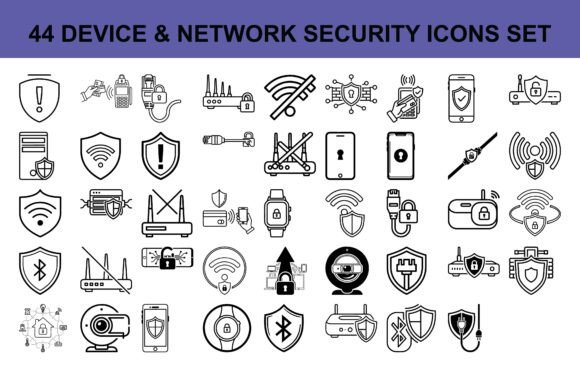
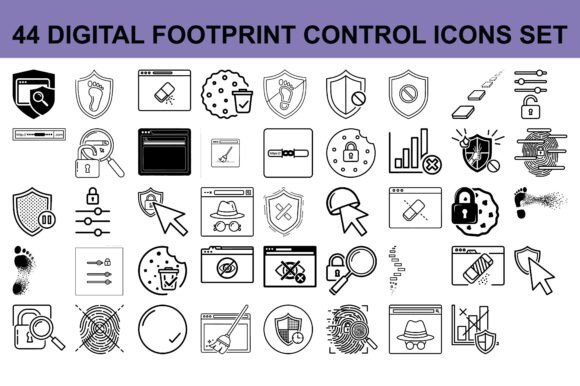
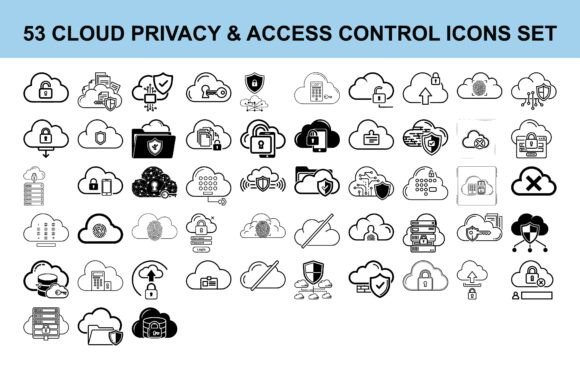
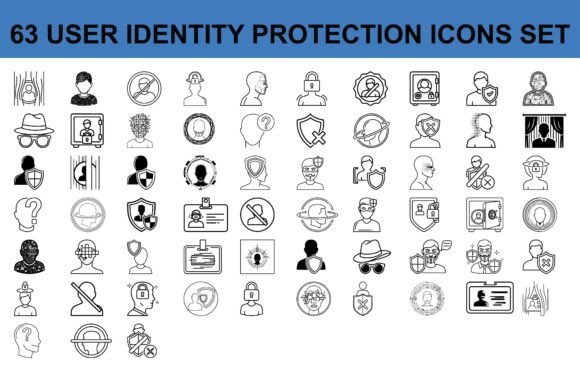
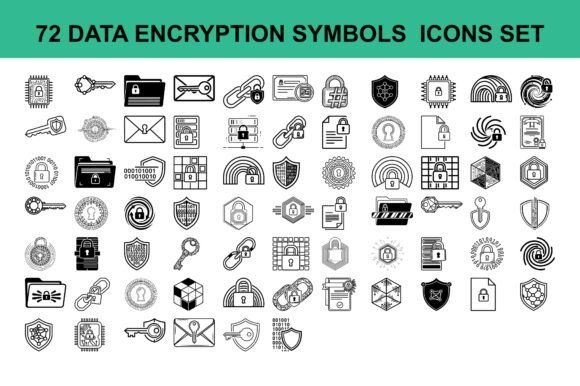
Cybersecurity has become a shared responsibility. Whether you manage a corporate network, teach students about safe online practices, or design a dashboard for a privacy-focused application, the visual language you use matters. A padlock icon can instantly communicate safety. A key symbol can represent access control. An encrypted file graphic can reassure users that their data is protected. This is where a comprehensive set of data encryption icons proves invaluable. A collection of 72 data encryption symbols and icons brings together the most essential visuals for modern cybersecurity, privacy, and data confidentiality in one cohesive package.
This set covers a wide range of imagery: keys, padlocks, encrypted file symbols, shield icons, secure connection graphics, digital locks, and network protection visuals. The icons are built with clean linework, simple geometric shapes, and a consistent aesthetic. They are designed to work across technical and creative contexts alike. And because the set is available in AI, EPS, and high-resolution JPG formats, you can edit, scale, and use the icons immediately without friction.
Understanding how different people might use these icons helps clarify whether this collection fits your own needs. A graphic designer working on a cybersecurity landing page will evaluate the set differently than an educator preparing classroom materials. A startup founder building an app will prioritize consistency and scalability. A blogger writing about data privacy will look for clarity and instant recognition. Each perspective matters.
Why Icon Selection Matters for Cybersecurity Communication
Visuals play a direct role in building trust. When users see a familiar lock icon next to a login field, they subconsciously register that the connection is secure. When a dashboard uses shield symbols to indicate protected data, it reinforces a sense of safety. But the effectiveness of these visuals depends on their clarity and consistency. If icons vary in style, weight, or detail, they can confuse rather than reassure.
A dedicated set of 72 data encryption symbols and icons solves this problem by offering a unified visual language. Every icon follows the same design principles: precise linework, simple geometry, and a professional finish. This means you can mix and match symbols across a project without worrying about visual dissonance. For a UI designer, that consistency saves hours of manual adjustment. For a business owner creating a pitch deck, it means the slides look polished and coherent from start to finish.
Beginners often overlook the importance of visual consistency. They might pick icons from different sources, not realizing that subtle differences in stroke width or corner rounding can make a layout feel disjointed. More experienced creators know that a cohesive icon set is a foundational element of professional design. The 72 data encryption symbols and icons remove that guesswork. You get a ready-made system that works out of the box.
A Closer Look at the Icon Categories
The collection includes several categories of security visuals. Each serves a distinct purpose in digital projects.
- Padlocks and Keys: These are the most universal symbols of security. A closed padlock indicates protection. An open padlock suggests vulnerability or unlocked access. Keys represent authentication and entry rights. In a software interface, these icons can denote encrypted connections or account permissions.
- Shield Icons: Shields convey defense and resilience. They are ideal for antivirus software, firewall dashboards, or any feature that actively protects data. A shield with a checkmark inside can signal that a scan is complete or that a system is secure.
- Encrypted File Symbols: File icons with lock overlays or encryption badges communicate that stored data is protected. These are useful in file management apps, cloud storage interfaces, and data compliance reports.
- Secure Connection Graphics: Icons depicting network nodes with locks, encrypted tunnels, or verified links help explain how data travels safely between systems. They are common in network monitoring tools and VPN applications.
- Digital Locks and Access Controls: More abstract symbols like biometric locks, pin codes, and authentication badges cover modern security mechanisms. These are relevant for mobile apps, identity verification screens, and access management dashboards.
Each icon is designed to be recognizable at a glance. That immediate comprehension is crucial when users need to make quick decisions about safety and trust.
How Different Audiences Can Use This Icon Set
The value of a design resource changes depending on who is using it and for what purpose. Let us look at several audience types and how they might approach this collection.
UI and UX Designers
For designers building software interfaces, icons must be scalable, clear, and consistent. You might be working on a cybersecurity dashboard that displays threat levels, encryption status, and network health. Each of those sections needs a distinct but harmonious visual. The 72 data encryption symbols and icons provide exactly that range. You can use a lock icon for encrypted connections, a shield for firewall status, and a key for user authentication. The unified style ensures the dashboard feels like a single product, not a patchwork of unrelated graphics.
Designers also appreciate flexibility in file format. The AI files allow you to edit colors, resize elements, and combine icons in custom layouts. The EPS files work across vector editing tools. The high-resolution JPGs are useful for quick mockups or presentations when you do not need to modify the original artwork. This flexibility means you can move from concept to production faster.
Business Owners and Marketers
If you run a small business or manage marketing for a tech company, your materials need to communicate trust. A landing page for a cybersecurity service cannot afford vague or amateur visuals. Using professional icons signals that your company understands the seriousness of data protection. The set works well in brochures, slide decks, and online ads. You can place a shield icon next to a headline about data security or use a lock symbol to emphasize encrypted transactions.
Business owners also need to consider the long-term usefulness of a design asset. A well-made icon set can be reused across multiple campaigns, product updates, and collateral. The 72 icons cover a broad enough range that you are unlikely to need another security-themed set anytime soon. That reduces future costs and keeps your visual brand consistent.
Educators and Trainers
Teachers and trainers often create materials that explain complex topics in simple terms. Cybersecurity concepts like encryption, authentication, and data integrity can be abstract. Icons make them concrete. When you are putting together a presentation for a college class or a corporate workshop, a padlock icon helps students immediately grasp the idea of protected data. A shield icon can represent the concept of defense in depth.
For educators, the clarity and simplicity of the icons are critical. Overly detailed graphics can distract or confuse. The clean linework and geometric shapes in this set keep the focus on the concept, not the artwork. And because the icons are available in high-resolution JPGs, you can insert them directly into slide templates without worrying about pixelation.
IT Professionals and System Administrators
Those working in IT may not always be designing public-facing materials. But internal dashboards, monitoring tools, and security reports still benefit from clear visuals. A network administrator might use secure connection icons to label encrypted links in a topology diagram. A compliance officer could use encrypted file symbols in a data audit report. These icons help communicate technical information to non-technical stakeholders, bridging the gap between IT and business teams.
For IT professionals, the reliability of the file formats matters. AI and EPS files can be scaled to any size without loss of quality, which is important for large-format posters or printed network maps. The consistency of the set also ensures that internal documentation looks professional and unified.
Content Creators and Bloggers
Writers covering technology, privacy, or security topics can use these icons to illustrate articles, guides, and social media posts. A blog post about how encryption works becomes more engaging when accompanied by relevant visuals. A lock icon next to a section heading helps readers navigate the content. A key icon can visually reinforce a point about access control.
For bloggers, ease of use is a priority. The high-resolution JPGs are ready to upload with no editing required. The vector files allow for customization if you want to match your blog's color scheme. Having a set of 72 icons means you have a library of visuals for multiple articles without searching for new graphics each time.
Hobbyists and DIY Designers
Not everyone working with icons is a trained designer. Hobbyists creating a personal website, a small app, or a printable resource may not have the skills or tools to create custom illustrations. A ready-made icon set levels the playing field. You get professional-quality visuals without needing to hire a designer or learn complex software. The JPG format is especially beginner-friendly because it requires no special applications to open and use.
For this group, the value lies in the polish the icons bring to a project. A simple poster about online safety can look as good as something created by a professional studio when you use well-crafted symbols. The set removes the barrier of technical skill and lets the creator focus on the message.
Quality, Flexibility, and Long-Term Value
When evaluating any icon set, several factors determine its usefulness. Quality is the most obvious. Icons with inconsistent stroke widths, uneven spacing, or overly intricate details can undermine a design. The 72 data encryption symbols and icons maintain a high standard of craftsmanship. Every shape is balanced, every line is deliberate. This attention to detail matters whether you are presenting to a client, publishing to a website, or printing a poster.
Flexibility comes from the available formats. AI files can be opened and edited in Adobe Illustrator, allowing full control over colors, sizes, and compositions. EPS files work in a wide range of vector applications, making the set accessible to users of different software. High-resolution JPGs provide instant usability for anyone who needs a ready-to-use image. If your workflow changes over time or if you switch tools, the icons remain usable across platforms.
Long-term value is about how often you will actually use the set. Security is a recurring theme in digital design. Whether you are building a new product interface, updating a marketing campaign, or creating training materials, cybersecurity visuals are likely to be needed repeatedly. A comprehensive set with 72 symbols covers the most common scenarios. You may not use every icon today, but the collection grows with your projects.
Practical Examples for Different Readers
Consider a few concrete scenarios. A UI designer is creating a mobile banking app. They need icons for secure login, encrypted transactions, and account protection. From this set, they select a biometric lock, a key with a shield, and an encrypted file symbol. The consistent style ensures the app feels cohesive from onboarding to transaction confirmation.
An educator preparing a cybersecurity workshop for high school students uses the icons to illustrate a slide deck. A padlock icon appears next to the definition of encryption. A secure connection graphic shows how data travels safely over a network. A shield icon represents antivirus software. Students grasp each concept faster because the visuals are clear and memorable.
A small business owner is launching a new SaaS product focused on data privacy. The landing page uses a shield icon near the headline "Your Data, Protected." A lock icon appears next to each security feature listed in the pricing table. The professionalism of the icons reinforces the product's promise of robust protection.
A blogger writing a tutorial on how to use a VPN inserts a secure connection icon at the top of the article. The visual sets the tone immediately, letting readers know the content is about online safety. The icon also serves as a visual anchor that makes the article more shareable on social media.
Is This Icon Set Right for You?
No single resource fits every situation perfectly. But this collection covers a broad range of needs for a specific topic. If your work involves cybersecurity, data protection, privacy, or digital trust in any form, having a dedicated set of 72 data encryption symbols and icons can simplify your workflow and improve the quality of your output.
Beginners will appreciate the instant usability of the JPG files and the professional polish the icons bring to basic projects. Experienced designers will value the vector formats and the cohesive visual system that saves time on customization. Business owners will find long-term value in a reusable asset that keeps their branding consistent. Educators will rely on the clarity of the symbols to communicate complex ideas effectively.
The decision comes down to whether the topic of data encryption aligns with your regular work or creative interests. If you find yourself frequently reaching for security-related visuals, this set offers a complete, high-quality solution that is ready to use today and adaptable for future projects. The icons are not just decorative; they are functional tools for building trust, clarity, and professionalism in an increasingly digital world.