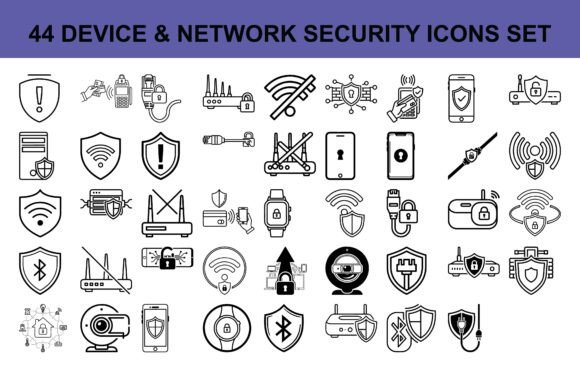
Device and Network Security Icons: Elevate Your Cybersecurity Visuals with Professional Icon Sets
In today's digitally driven world, cybersecurity and network protection have moved from backend IT concerns to front-and-center priorities for businesses, educators, and everyday users alike. Whether you are designing a dashboard for a security operations center, creating educational materials for a cybersecurity awareness campaign, or building a website for an IT service provider, the visuals you choose matter immensely. This is where a well-crafted Device and Network Security Icons Set becomes an indispensable asset. These icons do more than just decorate a page—they communicate complex ideas rapidly, establish trust, and guide users through technical interfaces with clarity.
This article explores the role of security iconography in modern design, why vector-based sets are essential for professionals, and how you can effectively integrate these symbols into your projects. Whether you are a seasoned designer, a developer, or a business owner creating your first tech resource, understanding the value of a cohesive icon set will help you communicate security concepts with confidence and precision.
The Growing Need for Visual Security Communication
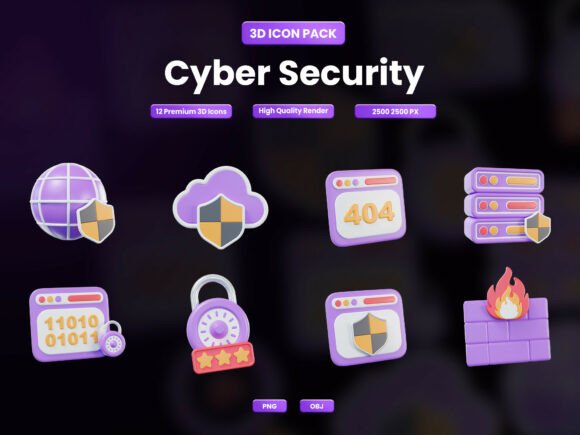
As cyber threats evolve, so does the need to educate and alert users about risks. Visual communication is one of the fastest ways to convey urgency, protection, or connectivity. Icons like alert notifications, security shields, servers, WiFi signals, routers, and network connections have become a universal language in the tech space. They help users quickly identify the status of their network, understand where vulnerabilities may exist, and navigate security protocols without needing to read lengthy text.
For example, a shield icon with a checkmark immediately signals that a device is protected, while an exclamation mark inside a triangle tells the user to take action. These visual cues are critical in dashboards, mobile apps, and websites where user attention spans are short and decisions must be made quickly. A well-designed icon set ensures these cues are consistent, recognizable, and professional across all platforms.
Why Professional Icon Sets Matter for Credibility
Using generic, inconsistent, or poorly scaled icons can harm the credibility of your project. When users encounter a security alert icon that looks amateurish or is difficult to interpret, they may question the reliability of the entire system or service. On the other hand, a polished Device and Network Security Icons Set signals that you have invested in quality and that your attention to detail extends to the user experience. This aligns with E-E-A-T (Experience, Expertise, Authoritativeness, and Trustworthiness) principles, which search engines and users alike value.
A professional icon set also ensures accessibility. Clean vector shapes with sharp linework and balanced proportions are easier to read at small sizes on screens or when printed at large scales. This versatility is essential for IT presentations, dashboards, apps, websites, reports, and training materials where clarity cannot be compromised.
Understanding the Components of a Comprehensive Security Icon Set
A truly useful icon set does not just include one or two symbols—it covers the full spectrum of device and network security concepts. Here are the key categories you should expect in a high-quality collection:
1. Alert and Warning Icons
These are the visual triggers that prompt users to take immediate action. Icons such as alert notifications, warning triangles, and exclamation marks are used in antivirus software, system monitoring tools, and security dashboards. They need to be instantly recognizable and visually distinct from other icons.
2. Protection and Shield Icons
Shields are the universal symbol for security. Variations with checkmarks, locks, or cross marks indicate different states: protected, secure, or vulnerable. These icons are central to any cybersecurity guide or awareness material.
3. Network and Connectivity Icons
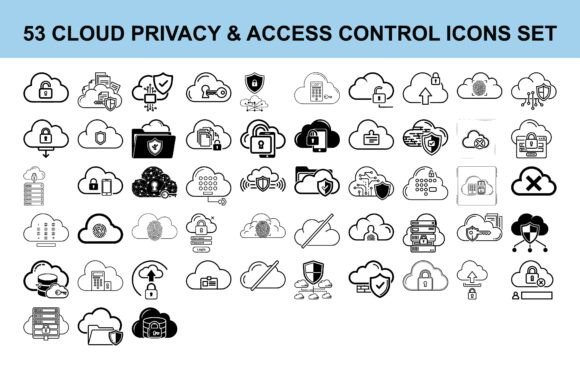
Icons representing WiFi signals, routers, servers, and network connections help users visualize their infrastructure. These are especially useful in UI/UX dashboards and software interfaces where network topology or connection status is displayed.
4. Device and Hardware Icons
Laptops, smartphones, desktops, and tablets are common in any security context. Including device icons allows designers to show which endpoints are being protected, making them ideal for IT service branding and websites.
5. Action and Control Icons
Icons for scanning, updating, blocking, or allowing traffic are essential for interactive elements. These help users navigate antivirus and network protection presentations and educational worksheets with ease.
Practical Applications: Where and How to Use Security Icons
The versatility of a well-designed icon set means it can be deployed across countless mediums. Below are some of the most impactful applications, along with examples to inspire your own projects.
Cybersecurity Awareness Guides and Training Materials
Imagine creating a guide on how to recognize phishing attempts. Using a Device and Network Security Icons Set, you can illustrate concepts like "secure connection" (lock icon with a WiFi signal), "suspicious email" (alert icon with an envelope), and "safe browsing" (shield with a checkmark). These visuals make the guide more engaging and easier to understand for beginners, while still looking professional enough for enterprise training.
UI/UX Dashboards and Software Interfaces
In a network monitoring dashboard, each status indicator needs to convey information at a glance. A red router icon might indicate a disconnected node, while a green server icon shows normal operation. The sharp linework and balanced shapes in a premium icon set ensure these indicators remain clear at any resolution, whether on a 4K monitor or a mobile device.
IT Service Branding and Websites
If you run an IT security consultancy, your website should exude professionalism and competence. Using consistent icons across your service pages—such as a shield icon for "Managed Protection," a server icon for "Cloud Security," and a WiFi icon for "Network Assessments"—builds visual coherence and reinforces your brand identity.
Infographics and Technical Documentation
Explaining a complex security protocol or data flow can be challenging with text alone. Icons help break down the process into digestible steps. For instance, a flowchart showing how a firewall filters traffic can use arrow icons, server icons, and shield icons to create a narrative that is both informative and visually appealing.
Educational Worksheets and Tutorials
Teachers and trainers can use these icons to create interactive worksheets for students learning about cybersecurity. Matching exercises, labeling diagrams, and sequencing activities become more engaging when students work with clear, recognizable symbols.
Digital Templates and Printable Resources
From social media posts to flyers and posters, security icons are essential for any campaign promoting safe online behavior. Because the set includes both AI and EPS vector formats, you can scale icons to any size without losing quality—perfect for large-format prints or small digital ads.
Common Misunderstandings About Icon Sets (And What to Do Instead)
Even experienced designers sometimes fall into traps when selecting or using icon sets. Here are a few common assumptions that need clarification:
"Any icon set will do—icons are just decoration." This is a costly mistake. Icons are functional elements that guide user behavior. A mismatched or inconsistent set can confuse users and reduce the effectiveness of your interface. Always choose icons that align with your brand style and the mental models of your audience.
"Vector formats are only for professionals." While AI and EPS files are standard in professional design workflows, they are also accessible to beginners using tools like Adobe Illustrator, Inkscape, or even PowerPoint (which can import vector graphics). The included high-resolution JPG files also provide an immediate, no-software-required option for quick use in documents or web pages.
"Security icons only belong in security products." Not true. Any digital product that handles user data, login credentials, or connectivity features can benefit from security iconography. E-commerce sites, educational platforms, and even social media apps use lock and shield icons to reassure users that their information is safe.
What to Look for in a Premium Device and Network Security Icons Set
Not all icon sets are created equal. When evaluating a collection for your next project, consider the following criteria:
- Comprehensiveness: Does the set cover all the essential symbols you need, from alert notifications to network connections? A complete set saves you from having to mix and match disparate icons later.
- Consistency: Are the line weights, corner radii, and overall style uniform across all icons? Consistency is what makes a set look professional and cohesive.
- Flexibility: Look for sets that include AI, EPS, and high-resolution JPG formats. This ensures you can edit, scale, and use the icons in any context—from web design to print.
- Clarity at small sizes: Test how the icons look when reduced to 16px or 24px. Sharp lines and open shapes help maintain legibility.
- Semantic alignment: The icon should match the user's expectation. A shield should always represent protection, not a generic action. Following established visual conventions helps avoid confusion.
How to Integrate Security Icons into Your Workflow
Once you have selected a Device and Network Security Icons Set, the next step is integration. Here is a simple workflow that works for most projects:
- Plan your icon needs: List all the concepts you need to represent (e.g., secure connection, firewall, update, scan, threat detected).
- Choose your format: If you need to edit colors or sizes, open the AI or EPS file in a vector editor. For quick insertion into a document, use the JPG files.
- Maintain consistency: Apply the same color palette and sizing rules across all icons. For example, use green for safe states, yellow for warnings, and red for critical alerts.
- Test for accessibility: Ensure color alone does not convey meaning. Add labels or tooltips when possible, especially in high-stakes interfaces.
- Document your system: Create a simple style guide that explains how each icon should be used. This helps other team members maintain consistency over time.
Conclusion: Small Icons, Big Impact
In the fast-paced world of technology and cybersecurity, visual clarity is not a luxury—it is a necessity. A Device and Network Security Icons Set gives you the tools to communicate complex security concepts with simplicity, professionalism, and impact. Whether you are building an enterprise dashboard, designing a phishing awareness poster, or creating an app that protects user privacy, the right icons help your audience understand and trust your message.
By investing in a high-quality vector icon set with multiple format options, you ensure that your visuals remain sharp, consistent, and adaptable across every medium. And in a field where trust is everything, that attention to detail can make all the difference. So the next time you start a cybersecurity or tech-themed design project, remember that the right icon set is more than just graphics—it is a foundation for clear communication.